

What is the role of the yeast dispenser in a bread production line?
Sep 24, 2025
Leave a message
In the intricate world of bread production, every piece of equipment plays a crucial role in ensuring the quality, efficiency, and consistency of the final product. Among these essential components, the yeast dispenser stands out as a key player in the bread production line. As a trusted supplier of bread production lines, I have witnessed firsthand the transformative impact that a well - functioning yeast dispenser can have on the entire bread - making process.
The Fundamentals of Yeast in Bread Making
Before delving into the role of the yeast dispenser, it's important to understand the significance of yeast in bread production. Yeast is a living microorganism, specifically a type of fungus, that ferments sugars in the dough. This fermentation process produces carbon dioxide gas, which causes the dough to rise and gives bread its light and airy texture. Additionally, yeast contributes to the flavor and aroma of the bread through the production of various by - products during fermentation.
The amount of yeast used in the dough has a direct impact on the fermentation rate, dough volume, and the overall quality of the bread. Too little yeast may result in slow fermentation, leading to a dense and under - risen loaf. On the other hand, an excessive amount of yeast can cause the dough to over - ferment, resulting in a sour taste and a coarse texture. Therefore, precise control of the yeast quantity is essential for consistent bread quality.
Precise Yeast Dispensing for Consistency
One of the primary roles of the yeast dispenser in a bread production line is to ensure precise and consistent yeast dosing. In large - scale bread production, manual yeast measurement is not only time - consuming but also prone to human error. A yeast dispenser automates this process, accurately measuring and dispensing the exact amount of yeast required for each batch of dough.
Modern yeast dispensers are equipped with advanced technology, such as volumetric or gravimetric measurement systems. Volumetric dispensers measure the volume of yeast to be dispensed, while gravimetric dispensers measure the weight. Gravimetric dispensers are generally more accurate as they account for the density variations of the yeast, which can be affected by factors such as moisture content and particle size.
By providing consistent yeast dosing, the yeast dispenser helps to maintain the uniformity of the dough's fermentation rate across different batches. This consistency is crucial for producing bread with a uniform texture, volume, and flavor, which is highly desirable for commercial bakeries aiming to meet customer expectations and maintain brand reputation.
Integration with the Bread Production Line
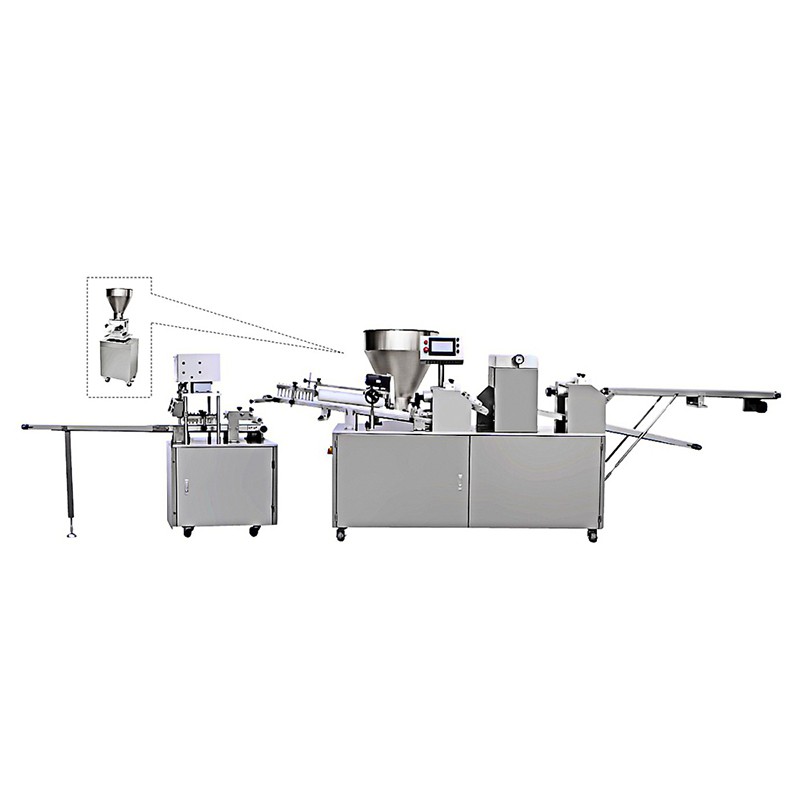
The yeast dispenser is an integral part of the bread production line, working in harmony with other equipment such as mixers, Fermentation Box Series, and Automatic Bread Making Machine. It is typically connected to the dough mixer, where the yeast is dispensed directly into the mixing chamber at the appropriate stage of the dough - making process.
In a fully automated bread production line, the yeast dispenser is synchronized with the other equipment through a centralized control system. This allows for seamless operation and coordination, ensuring that the yeast is added at the right time and in the right quantity. For example, in a continuous bread production process, the yeast dispenser can be programmed to dispense yeast continuously at a set rate, corresponding to the flow of dough through the mixer.

Hygiene and Preservation
Another important role of the yeast dispenser is to maintain the hygiene and quality of the yeast. Yeast is a living organism that can be easily contaminated by bacteria, mold, and other microorganisms. A well - designed yeast dispenser is equipped with features to prevent contamination and preserve the viability of the yeast.
The dispenser is usually made of food - grade materials that are easy to clean and sanitize. It may also have a closed - loop system to prevent the entry of external contaminants. Additionally, some yeast dispensers are designed to store the yeast at a controlled temperature, which helps to extend its shelf life and maintain its fermenting activity.
Adaptability to Different Types of Yeast
Bakeries use different types of yeast, including fresh yeast, active dry yeast, and instant yeast, each with its own characteristics and usage requirements. A good yeast dispenser should be adaptable to these different types of yeast.
For fresh yeast, which has a high moisture content and is more perishable, the dispenser needs to handle its soft and sticky consistency. Some dispensers are designed with special mechanisms, such as auger systems, to ensure smooth and accurate dispensing of fresh yeast.
Active dry yeast and instant yeast are dry forms of yeast that are more stable and easier to handle. However, they may require different dispensing rates and methods compared to fresh yeast. A versatile yeast dispenser can be adjusted to accommodate the specific properties of each type of yeast, allowing bakeries to use the yeast that best suits their production needs.
Efficiency and Productivity
In a commercial bread production environment, efficiency and productivity are key factors for success. The yeast dispenser plays a significant role in improving both. By automating the yeast - dosing process, it reduces the time and labor required for manual measurement, allowing bakery staff to focus on other important tasks.
Moreover, the precise and consistent yeast dispensing provided by the dispenser helps to optimize the fermentation process. This can lead to shorter fermentation times, allowing for more batches of bread to be produced in a given period. In addition, the reduction in product variability due to accurate yeast dosing means fewer rejected products, which further improves overall productivity and reduces waste.
Conclusion
As a supplier of bread production lines, I understand that the yeast dispenser is not just a simple piece of equipment but a vital component that has a profound impact on the entire bread - making process. Its ability to provide precise and consistent yeast dosing, integrate seamlessly with the production line, maintain yeast hygiene, adapt to different types of yeast, and improve efficiency and productivity makes it an indispensable part of any modern bread production facility.
If you are in the bakery business and are looking to enhance the quality and efficiency of your bread production, I encourage you to consider the role of a high - quality yeast dispenser in your production line. Our company offers a range of advanced yeast dispensers and complete bread production line solutions tailored to your specific needs. Contact us today to start a discussion about how we can help you optimize your bread production process.
References
- Pyler, E. J. (1988). Baking Science and Technology. Sosland Publishing Company.
- Cauvain, S. P., & Young, L. S. (2006). Technology of Breadmaking. Woodhead Publishing.