

What is the difference between a deck oven and a convection oven in a bakery?
Jul 29, 2025
Leave a message
In the bustling world of baking, the choice of oven can significantly impact the quality, efficiency, and variety of baked goods produced. As a seasoned bakery oven supplier, I've witnessed firsthand the diverse needs of bakers and the pivotal role that ovens play in their operations. Two of the most common types of ovens in bakeries are deck ovens and convection ovens, each with its unique characteristics, advantages, and applications. In this blog post, I'll delve into the differences between these two oven types, helping you make an informed decision for your bakery.
Heating Mechanism
The fundamental difference between deck ovens and convection ovens lies in their heating mechanisms. Deck ovens, as the name suggests, rely on heated decks to transfer heat to the baked goods. These decks are typically made of stone or steel and are heated either by gas or electricity. The heat radiates from the decks, cooking the bread or pastries from the bottom up. This direct heat transfer provides a crispy crust and a moist interior, making deck ovens ideal for baking artisanal bread, pizzas, and other items that require a strong bottom heat.
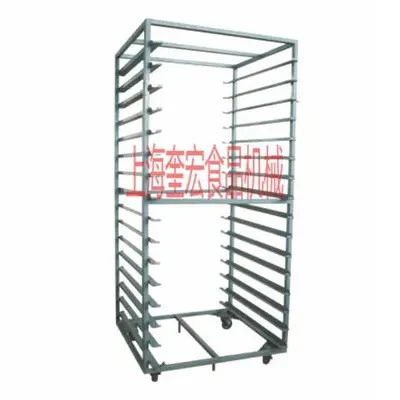

On the other hand, convection ovens use a fan to circulate hot air throughout the oven cavity. This circulated air ensures even heat distribution, cooking the baked goods more quickly and evenly than a deck oven. The fan helps to eliminate hot spots and reduces the baking time, resulting in consistent and uniform results. Convection ovens are versatile and can be used for a wide range of baked goods, including cakes, cookies, and pastries.
Baking Performance
The heating mechanism of each oven type directly affects its baking performance. Deck ovens are known for their ability to produce a characteristic crust on bread and other baked goods. The intense bottom heat creates a crispy exterior while keeping the interior soft and moist. This is particularly important for artisanal bread, where the crust is a key element of the overall texture and flavor. Deck ovens also allow for precise control over the baking process, as bakers can adjust the temperature of each deck independently. This flexibility is essential for baking different types of bread at different temperatures.
Convection ovens, on the other hand, excel at baking items that require even heat distribution. The circulated air ensures that the baked goods are cooked evenly on all sides, reducing the risk of undercooked or overcooked areas. This makes convection ovens ideal for baking cakes, cookies, and pastries, where a uniform texture and color are desired. Additionally, the faster baking time of convection ovens can increase productivity in a bakery, allowing bakers to produce more baked goods in less time.
Energy Efficiency
Energy efficiency is an important consideration for any bakery, as ovens are one of the most energy-intensive pieces of equipment in the kitchen. Deck ovens tend to be less energy-efficient than convection ovens, as they rely on direct heat transfer from the decks. The large mass of the decks requires more energy to heat up and maintain a consistent temperature. However, once the decks are heated, they can retain heat for a long time, reducing the need for frequent reheating.
Convection ovens, on the other hand, are generally more energy-efficient due to their use of a fan to circulate hot air. The circulated air allows for faster heat transfer, reducing the baking time and energy consumption. Additionally, many convection ovens are equipped with energy-saving features, such as insulation and programmable temperature controls, which can further reduce energy usage.
Cost
The cost of a bakery oven is another important factor to consider. Deck ovens are typically more expensive than convection ovens, due to their larger size and more complex construction. The cost of a deck oven can range from a few thousand dollars to tens of thousands of dollars, depending on the size, features, and brand. Additionally, deck ovens require more maintenance than convection ovens, as the decks need to be cleaned and maintained regularly to ensure optimal performance.
Convection ovens are generally more affordable than deck ovens, making them a popular choice for small and medium-sized bakeries. The cost of a convection oven can range from a few hundred dollars to several thousand dollars, depending on the size, features, and brand. Convection ovens also require less maintenance than deck ovens, as they do not have decks that need to be cleaned and maintained.
Applications
The choice between a deck oven and a convection oven ultimately depends on the type of baked goods you plan to produce. Deck ovens are ideal for baking artisanal bread, pizzas, and other items that require a strong bottom heat and a crispy crust. They are also well-suited for baking items that need to be baked at different temperatures, as bakers can adjust the temperature of each deck independently.
Convection ovens are more versatile and can be used for a wide range of baked goods, including cakes, cookies, pastries, and even some types of bread. They are particularly well-suited for baking items that require even heat distribution and a uniform texture and color. Convection ovens are also a good choice for bakeries that need to produce a large volume of baked goods quickly, as they have a faster baking time than deck ovens.
Conclusion
In conclusion, both deck ovens and convection ovens have their unique advantages and applications in a bakery. Deck ovens are ideal for baking artisanal bread and other items that require a strong bottom heat and a crispy crust, while convection ovens are more versatile and can be used for a wide range of baked goods. When choosing an oven for your bakery, it's important to consider your specific needs, budget, and production volume.
If you're interested in learning more about our Deck Baking Oven or Rotary Baking Oven, please don't hesitate to contact us. Our team of experts is available to answer your questions and help you find the perfect oven for your bakery. We look forward to working with you to take your baking to the next level.
References
- "Bakery Ovens: Types, Features, and Selection Guide." The Spruce Eats.
- "Deck Ovens vs. Convection Ovens: What's the Difference?" Bakers Journal.
- "How to Choose the Right Oven for Your Bakery." Bake magazine.