

What are the factors affecting the performance of a bread production line?
Jun 17, 2025
Leave a message
As a seasoned supplier of bread production lines, I've witnessed firsthand the multitude of factors that can significantly impact the performance of these intricate systems. In this blog post, I'll delve into the key elements that play a crucial role in determining the efficiency, productivity, and quality of a bread production line.
1. Raw Materials Quality
The quality of raw materials is the foundation of any successful bread production process. Flour, yeast, water, salt, and other ingredients all contribute to the final product's taste, texture, and shelf life. High - quality flour with the right protein content is essential for proper gluten development, which gives bread its structure. For instance, bread made from hard wheat flour with a higher protein content will have a better volume and a chewier texture compared to that made from soft wheat flour.
Yeast is another critical ingredient. Active dry yeast or instant yeast can affect the fermentation process. Fresh and viable yeast ensures a consistent rise in the dough, leading to well - leavened bread. The water used should be clean and free from impurities that could affect the dough's properties. Additionally, the quality of salt, sugar, and fats can influence the flavor and preservation of the bread. As a supplier, we often recommend our clients to source their raw materials from reliable suppliers to maintain a high - quality output.
2. Equipment Design and Functionality
The design and functionality of the bread production line equipment are of utmost importance. Each machine in the line, from the mixer to the oven, must be well - designed and properly maintained.
Mixers
A good mixer should be able to handle different types of doughs, from soft and sticky to stiff and dry. It should mix the ingredients thoroughly, ensuring uniform distribution of yeast, water, and other components. The mixing speed and time are also crucial. Over - mixing can damage the gluten structure, while under - mixing can result in an uneven dough. Our Automatic Bread Making Machine is designed with advanced mixing technology to achieve the perfect dough consistency.
Fermentation Equipment
Fermentation is a critical stage in bread making. The fermentation equipment, such as the Fermentation Box Series, should be able to maintain a stable temperature and humidity environment. The ideal temperature for yeast fermentation is around 25 - 30°C, and the humidity should be kept at a level that prevents the dough from drying out. Proper fermentation allows the yeast to produce carbon dioxide, which causes the dough to rise and develop flavor.
Ovens
The oven is where the final transformation of the dough into bread occurs. It should provide even heat distribution to ensure that the bread is baked evenly. Different types of bread require different baking temperatures and times. For example, a crusty French baguette needs a high - temperature, short - time bake, while a soft white loaf may require a lower temperature and a longer baking time.
3. Production Line Layout
The layout of the bread production line can greatly affect its performance. A well - designed layout should minimize the distance between different machines, reducing the time and effort required to transfer the dough from one stage to the next. It should also allow for easy access to each machine for maintenance and cleaning.
For example, the mixer should be located close to the fermentation area, and the fermentation area should be near the dividing and rounding machines. This way, the dough can move smoothly through the production process, reducing the risk of damage or contamination. Additionally, the layout should consider the flow of workers and materials, ensuring a safe and efficient working environment.
4. Staff Training and Skills
The skills and knowledge of the production line staff are vital. Proper training is necessary to ensure that the operators can handle the equipment correctly, follow the production process precisely, and troubleshoot any issues that may arise.
Staff should be trained in dough handling techniques, such as proper kneading and shaping. They should also understand the importance of maintaining the correct temperature and time at each stage of the production process. For example, in the fermentation stage, they need to know how to adjust the temperature and humidity according to the type of bread being made.
Regular training updates are also essential to keep the staff informed about the latest technologies and best practices in bread production. As a supplier, we often provide training programs for our clients' staff to ensure that they can make the most of our bread production lines.
5. Maintenance and Cleaning
Regular maintenance and cleaning of the production line equipment are necessary to keep it in optimal working condition. Equipment that is not properly maintained can break down, leading to production delays and increased costs.
Maintenance tasks include checking the lubrication of moving parts, inspecting the electrical systems, and replacing worn - out components. Cleaning is also crucial to prevent the growth of bacteria and other contaminants. The equipment should be cleaned after each production run, and a deep - cleaning schedule should be established.

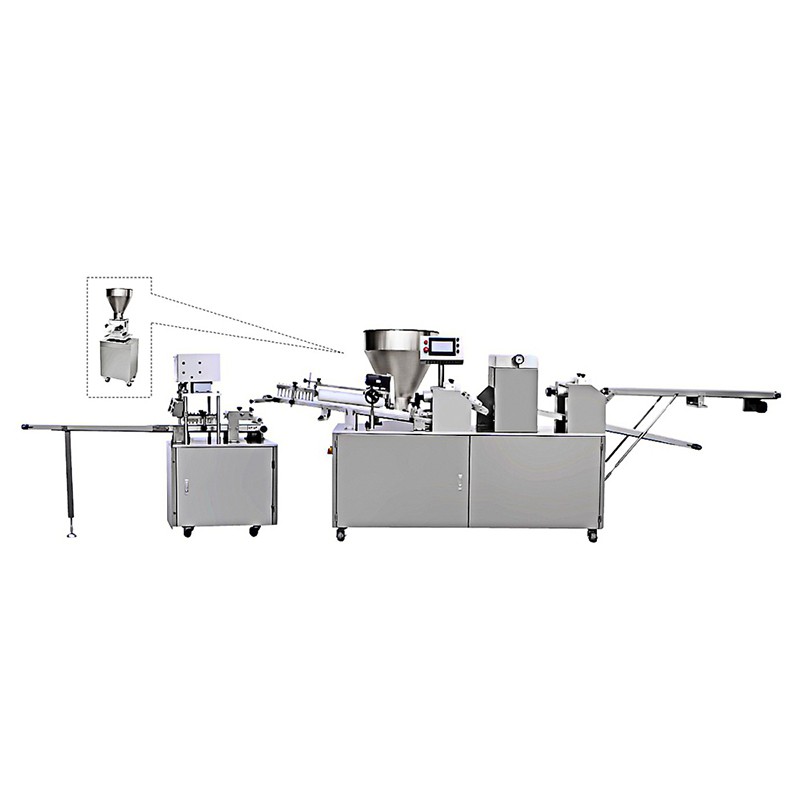
For example, the mixer should be disassembled and cleaned thoroughly to remove any dough residues. The oven should be cleaned to remove any burnt particles, which can affect the flavor of the bread. By ensuring proper maintenance and cleaning, the lifespan of the equipment can be extended, and the quality of the bread can be maintained.
6. Quality Control
Quality control is an integral part of the bread production process. It involves monitoring and testing the bread at various stages to ensure that it meets the required standards.
Quality control measures can include sensory evaluation, such as checking the appearance, texture, and flavor of the bread. Physical and chemical tests can also be conducted, such as measuring the moisture content, pH level, and specific volume of the bread. By implementing a strict quality control system, any issues can be detected early, and corrective actions can be taken to improve the quality of the final product.
7. Environmental Factors
Environmental factors, such as temperature and humidity in the production facility, can also affect the performance of the bread production line. High temperatures and humidity can accelerate the fermentation process, while low temperatures can slow it down.
The production facility should be equipped with proper ventilation and climate control systems to maintain a stable environment. This is especially important in regions with extreme weather conditions. For example, in a hot and humid climate, additional cooling and dehumidifying equipment may be required to ensure that the dough does not over - ferment.
8. Supply Chain Management
The supply chain management of the bread production line also impacts its performance. A reliable supply of raw materials is essential to avoid production disruptions. Delays in the delivery of flour, yeast, or other ingredients can halt the production process.
It is also important to manage the inventory of raw materials and finished products effectively. Over - stocking can lead to increased storage costs and the risk of spoilage, while under - stocking can result in production shortages. As a supplier, we work closely with our clients to help them optimize their supply chain management.
In conclusion, the performance of a bread production line is influenced by a variety of factors, from raw materials quality to environmental conditions. As a supplier, we are committed to providing high - quality equipment and comprehensive support to our clients. We understand that by addressing these factors, we can help our clients achieve higher productivity, better - quality bread, and greater profitability.
If you are interested in our bread production lines and would like to discuss your specific requirements, we encourage you to contact us for a procurement negotiation. We look forward to working with you to build a successful bread production operation.
References
- Pyler, E. J. (1988). Baking Science and Technology. Sosland Publishing Company.
- Cauvain, S. P., & Young, L. S. (2008). Technology of Breadmaking. Woodhead Publishing.
- Damodaran, S., Parkin, K. L., & Fennema, O. R. (2008). Fennema's Food Chemistry. CRC Press.