

What are the certification requirements for a bread production line?
Jul 28, 2025
Leave a message
As a seasoned provider of bread production lines, I understand that navigating the certification requirements can be a daunting task for many bakery business owners. In this blog post, I'll walk you through the essential certifications needed for a bread production line, ensuring that your operation meets the highest standards of safety, quality, and compliance.
Food Safety Certifications
One of the most critical aspects of running a bread production line is ensuring food safety. This involves preventing contamination, maintaining proper hygiene, and adhering to strict food handling procedures. To demonstrate compliance with these standards, you'll need to obtain relevant food safety certifications.
Hazard Analysis and Critical Control Points (HACCP)
HACCP is a systematic approach to identifying, evaluating, and controlling food safety hazards. It involves analyzing each step of the bread production process, from ingredient sourcing to packaging, to identify potential hazards such as biological, chemical, or physical contaminants. Once hazards are identified, critical control points (CCPs) are established, and preventive measures are implemented to ensure that hazards are controlled or eliminated.
Obtaining HACCP certification requires a detailed hazard analysis, the development of a HACCP plan, and regular monitoring and verification of the plan's effectiveness. This certification is recognized globally and is often a requirement for exporting bread products to international markets.

Good Manufacturing Practices (GMP)
GMPs are a set of guidelines and regulations that outline the minimum requirements for the manufacturing, processing, and packaging of food products. These practices cover a wide range of areas, including facility design, equipment maintenance, personnel hygiene, and sanitation procedures.
To achieve GMP certification, your bread production line must meet specific criteria related to cleanliness, pest control, storage conditions, and documentation. This certification helps ensure that your products are consistently produced and controlled according to quality standards, reducing the risk of foodborne illnesses and product recalls.
Quality Management Certifications
In addition to food safety, maintaining high-quality standards is essential for the success of your bread production line. Quality management certifications provide a framework for implementing effective quality control measures and continuous improvement processes.
ISO 9001:2015
ISO 9001 is an international standard for quality management systems. It focuses on customer satisfaction, process improvement, and the effective management of resources. By implementing an ISO 9001-certified quality management system, you can demonstrate your commitment to delivering high-quality bread products that meet or exceed customer expectations.
To obtain ISO 9001 certification, you'll need to develop and implement a quality management system that includes policies, procedures, and processes for managing quality throughout the bread production process. This certification requires regular internal audits and management reviews to ensure ongoing compliance and continuous improvement.
BRCGS Food Safety
The British Retail Consortium Global Standards (BRCGS) for Food Safety is a widely recognized certification scheme that sets the benchmark for food safety and quality management in the food industry. It covers all aspects of the bread production process, from raw material sourcing to finished product distribution.
BRCGS certification provides assurance to customers, retailers, and regulatory authorities that your bread production line meets the highest standards of food safety and quality. It requires a comprehensive assessment of your facility, processes, and documentation, as well as ongoing monitoring and compliance checks.
Equipment-Specific Certifications
In addition to general food safety and quality management certifications, certain equipment used in a bread production line may require specific certifications to ensure safe and efficient operation.
CE Certification
CE certification is a mandatory conformity mark for products sold in the European Economic Area (EEA). It indicates that a product meets the essential health, safety, and environmental protection requirements of European Union (EU) directives.
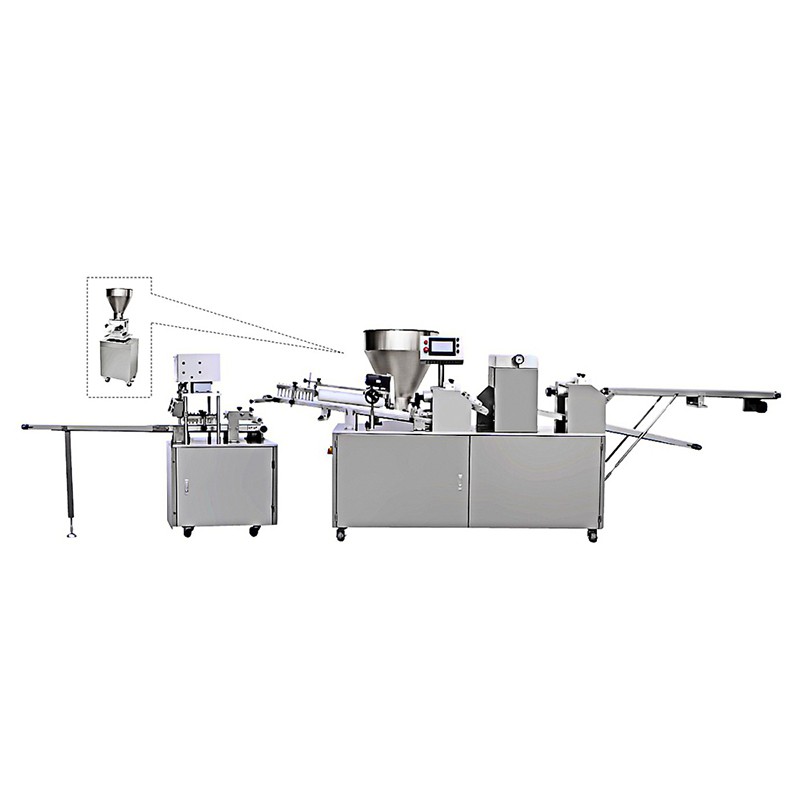
If you're selling your bread production line equipment in the EEA, it must carry the CE mark. This certification covers a wide range of equipment, including Automatic Bread Making Machine, mixers, ovens, and Fermentation Box Series. To obtain CE certification, your equipment must undergo testing and evaluation by a notified body to ensure compliance with relevant EU directives.
UL Certification
Underwriters Laboratories (UL) is a global independent safety science company that provides certification services for a wide range of products, including electrical equipment. UL certification indicates that a product has been tested and meets specific safety standards.
If your bread production line includes electrical equipment, such as motors, controls, or heating elements, it may need to be UL-certified. This certification helps ensure the safety of your equipment and reduces the risk of electrical hazards, such as fires or shocks.
Environmental Certifications
In today's environmentally conscious world, many bakery businesses are also looking to obtain environmental certifications to demonstrate their commitment to sustainability.
ISO 14001:2015
ISO 14001 is an international standard for environmental management systems. It provides a framework for organizations to identify, manage, and reduce their environmental impacts. By implementing an ISO 14001-certified environmental management system, you can demonstrate your commitment to sustainable practices in your bread production line.
To obtain ISO 14001 certification, you'll need to develop and implement an environmental management system that includes policies, procedures, and processes for managing environmental aspects such as energy consumption, waste management, and water usage. This certification requires regular environmental audits and management reviews to ensure ongoing compliance and continuous improvement.
Conclusion
Navigating the certification requirements for a bread production line can be complex, but it's essential for ensuring the safety, quality, and compliance of your operation. By obtaining the necessary certifications, you can demonstrate your commitment to delivering high-quality bread products that meet or exceed customer expectations, while also complying with regulatory requirements and industry standards.
As a leading provider of bread production lines, we have extensive experience in helping bakery businesses obtain the certifications they need. Our team of experts can guide you through the certification process, from selecting the right certifications to implementing the necessary systems and procedures.
If you're interested in learning more about our bread production lines or the certification requirements, please don't hesitate to contact us for a procurement discussion. We look forward to helping you take your bakery business to the next level.
References
- Codex Alimentarius Commission. (2003). Hazard Analysis and Critical Control Point (HACCP) System and Guidelines for its Application.
- International Organization for Standardization. (2015). ISO 9001:2015 Quality management systems - Requirements.
- British Retail Consortium. (2022). BRCGS Global Standard for Food Safety Issue 9.
- Underwriters Laboratories. (n.d.). UL Certification Services.
- International Organization for Standardization. (2015). ISO 14001:2015 Environmental management systems - Requirements with guidance for use.