

How to troubleshoot common problems of a cookie molding machine?
Jul 17, 2025
Leave a message
Hey there! As a supplier of cookie molding machines, I've seen my fair share of issues that customers run into. In this blog, I'm gonna walk you through how to troubleshoot some common problems of a cookie molding machine.
1. Machine Not Starting
One of the most frustrating things is when you flip the switch, and nothing happens. First off, check the power supply. Sounds simple, but it's often overlooked. Make sure the machine is properly plugged into a working outlet. You can try plugging another device into the same outlet to see if it works. If the outlet is fine, then take a look at the power cord of the cookie molding machine. Sometimes, the cord can get damaged, like being frayed or having a loose connection. If you spot any damage, it's time to replace the cord.
Another thing to check is the circuit breaker or fuse. A tripped circuit breaker or a blown fuse can cut off the power to the machine. If the circuit breaker is tripped, simply reset it. For fuses, you'll need to replace the blown one with a new one of the same rating.
If all these basic checks don't solve the problem, it could be an issue with the machine's internal electrical system. In this case, it's best to contact a professional technician. You can also reach out to us as we have a team of experts who can guide you further. We're the ones behind the Cookie Modling Machine, and we know these machines inside out.
2. Inconsistent Cookie Shapes
If you're getting cookies that look all wonky and don't have the consistent shape you want, there are a few things to consider. First, check the mold. Over time, the mold can get dirty or damaged. Food particles can build up in the mold cavities, which can affect the shape of the cookies. Clean the mold thoroughly using a soft brush and a mild detergent. Make sure to dry it completely before using it again.
The dough consistency also plays a huge role. If the dough is too dry, it might not fill the mold properly, resulting in incomplete or misshapen cookies. On the other hand, if the dough is too wet, it can spill over the edges of the mold. Adjust the dough consistency by adding a little more flour if it's too wet or a bit of water if it's too dry.
The pressure settings of the machine can also impact the cookie shapes. If the pressure is too low, the dough might not be pressed firmly enough into the mold. If it's too high, the dough can be forced out of the mold in an irregular way. Refer to the machine's manual to adjust the pressure settings correctly.
3. Poor Cookie Release
It's really annoying when your cookies stick to the mold and break apart when you try to remove them. This is often due to a lack of proper lubrication. Apply a thin layer of cooking oil or a food - grade release agent to the mold before using it. This will help the cookies come out easily.
Another reason could be the temperature of the mold. If the mold is too cold, the dough can stick to it. Pre - heat the mold slightly according to the machine's instructions. You can also try reducing the baking time a bit as over - baked cookies are more likely to stick.
4. Low Production Speed
If your cookie molding machine is running slower than it should, check for any blockages in the dough feed system. Sometimes, dough can get stuck in the hopper, pipes, or other parts of the feeding mechanism. Clear any blockages carefully using a non - sharp tool.
The motor of the machine could also be a culprit. If the motor is overloaded or has some mechanical issues, it can cause the machine to slow down. Check the motor for any signs of overheating or strange noises. If you notice anything unusual, it's time to have the motor inspected by a professional.
The belt drive or chain drive, if your machine has one, might be loose or worn out. A loose or worn - out drive can reduce the efficiency of the machine. Tighten the belt or replace the chain if necessary.
5. Noise and Vibration
Unusual noise and excessive vibration are signs that something's not right with the machine. First, check if the machine is properly leveled. If it's not, it can cause uneven stress on the components and lead to noise and vibration. Use a spirit level to make sure the machine is sitting flat on the surface. Adjust the leveling feet of the machine as needed.
Loose parts can also be a source of noise. Check all the bolts, nuts, and screws on the machine and tighten them if they're loose. Inspect the moving parts, such as the gears and bearings. Worn - out gears or bearings can make a lot of noise. If you find any damaged parts, replace them as soon as possible.
6. Dough Leakage
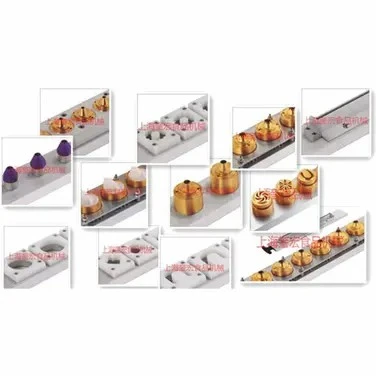
If you're seeing dough leaking from the machine, it could be due to a problem with the seals. The seals around the mold or the dough feed system can wear out over time. Check the seals for any signs of damage or wear. Replace the seals with new ones to prevent further leakage.

The pressure inside the machine might also be too high, forcing the dough out through the gaps. Adjust the pressure settings to a more appropriate level.
Conclusion
Troubleshooting common problems of a cookie molding machine doesn't have to be a headache. By following these steps, you can often solve the issues on your own. But if you're still having problems, don't hesitate to reach out to us. We're here to help you keep your Automatic Cookie Making Machine running smoothly.
Whether you're looking to buy a new cookie molding machine or need some advice on maintenance, we're just a message away. Our team of experts is always ready to assist you with all your cookie production needs. So, if you're in the market for a reliable and high - quality cookie molding machine, contact us for a free consultation and let's start a great business relationship.
References
- Manufacturer's manual of the cookie molding machine
- Industry best practices for cookie production equipment maintenance