

How to package cookies produced by a production line?
Aug 14, 2025
Leave a message
Packaging cookies produced by a production line is a crucial step in the cookie manufacturing process. As a reputable cookie production line supplier, I understand the importance of efficient and effective packaging to ensure the quality, freshness, and appeal of the cookies. In this blog post, I will share some insights on how to package cookies produced by a production line, covering aspects such as packaging materials, equipment, and techniques.
Selecting the Right Packaging Materials
The choice of packaging materials plays a significant role in preserving the quality of cookies. Here are some common materials used for cookie packaging:
- Paperboard Boxes: These are a popular choice for packaging cookies, especially for retail products. Paperboard boxes can be customized with attractive designs and branding, providing a professional and appealing look. They also offer good protection against light, moisture, and physical damage.
- Plastic Bags: Plastic bags are a cost - effective option for packaging cookies. They are lightweight, flexible, and can be easily sealed to keep the cookies fresh. Transparent plastic bags allow consumers to see the cookies inside, which can be an effective marketing tool. However, they may not provide as much protection against moisture as other materials.
- Tins or Metal Containers: Tins are ideal for packaging high - end or specialty cookies. They offer excellent protection against moisture, light, and oxygen, which helps to maintain the freshness and flavor of the cookies for a longer period. Tins also have a premium look and can be reused by consumers, adding to their appeal.
- Cellophane Wrappers: Cellophane is a thin, transparent material that is often used for individual cookie wrapping. It provides a clear view of the cookie, enhancing its visual appeal. Cellophane is also breathable, which can help prevent the build - up of moisture inside the wrapper.
When selecting packaging materials, consider the type of cookies being produced, the target market, and the shelf life requirements. It is also important to ensure that the materials are food - grade and comply with relevant safety regulations.

Choosing the Appropriate Packaging Equipment
Once you have selected the packaging materials, you need to choose the right equipment to package the cookies efficiently. Here are some common types of packaging equipment used in cookie production lines:
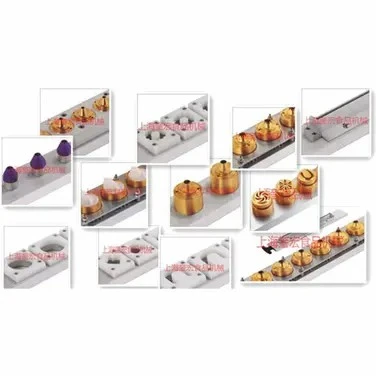
- Cookie Modling Machine: Before packaging, cookies need to be formed into the desired shape. A cookie molding machine can create various shapes and sizes of cookies, which can then be transferred to the packaging stage. This machine ensures consistency in cookie production, making the packaging process more streamlined.
- Automatic Cookie Making Machine: An automatic cookie - making machine can handle multiple steps in the cookie production process, including mixing, shaping, baking, and sometimes even packaging. These machines are highly efficient and can produce a large number of cookies in a short period. They can be integrated with other packaging equipment to create a seamless production line.
- Flow Wrappers: Flow wrappers are used to wrap individual cookies or groups of cookies in a continuous flow of packaging material. They can seal the edges of the wrapper, creating a tight and secure package. Flow wrappers are fast and can be adjusted to accommodate different cookie sizes and shapes.
- Cartoners: Cartoners are used to pack cookies into paperboard boxes. They can automatically erect the boxes, fill them with cookies, and seal them. Cartoners come in different sizes and configurations, depending on the production volume and the size of the boxes.
- Case Packers: Case packers are used to pack multiple cartons or packages of cookies into larger cases for shipping. They can handle different case sizes and can be programmed to pack the cookies in an organized manner.
When choosing packaging equipment, consider the production volume, the type of packaging materials, and the level of automation required. It is also important to ensure that the equipment is easy to operate, maintain, and clean.
Packaging Techniques
In addition to selecting the right materials and equipment, using the appropriate packaging techniques is essential for ensuring the quality and freshness of the cookies. Here are some key packaging techniques:
- Sealing: Proper sealing is crucial to prevent air, moisture, and contaminants from entering the package. Depending on the packaging material, different sealing methods can be used, such as heat sealing for plastic bags and adhesive sealing for paperboard boxes. Make sure the seals are tight and secure to maintain the integrity of the package.
- Portion Control: When packaging cookies, it is important to control the portion size. This not only helps to ensure consistent product quality but also meets the consumer's expectations. Use appropriate measuring tools or automated systems to ensure that each package contains the correct number of cookies.
- Labeling: Clear and accurate labeling is essential for providing consumers with information about the cookies, such as the ingredients, nutritional value, expiration date, and storage instructions. Make sure the labels are legible and adhere to relevant labeling regulations.
- Stacking and Arrangement: When packing cookies into boxes or containers, consider the stacking and arrangement of the cookies. Stacking the cookies neatly can help to prevent them from breaking during transportation and storage. Use dividers or inserts if necessary to keep the cookies in place.
Quality Control
Throughout the packaging process, it is important to implement quality control measures to ensure that the cookies meet the required standards. Here are some quality control steps:
- Visual Inspection: Regularly inspect the cookies for any signs of damage, such as broken pieces or burn marks. Also, check the packaging for any defects, such as improper sealing or misaligned labels.
- Weight and Quantity Checks: Randomly check the weight and quantity of the cookies in each package to ensure that they meet the specified requirements. This helps to maintain consistency in product quality.
- Shelf - Life Testing: Conduct shelf - life testing to determine how long the cookies can remain fresh and of good quality in the packaging. This can help you to set appropriate expiration dates and storage conditions.
Conclusion
Packaging cookies produced by a production line requires careful consideration of packaging materials, equipment, techniques, and quality control measures. By selecting the right materials and equipment, using appropriate packaging techniques, and implementing strict quality control, you can ensure that your cookies are well - packaged, fresh, and appealing to consumers.
If you are interested in purchasing a cookie production line or need more information on cookie packaging solutions, I encourage you to contact me for a detailed discussion. I am committed to providing high - quality equipment and professional advice to help you optimize your cookie production process.
References
- "Food Packaging Technology" by Gordon L. Robertson
- "Handbook of Food Processing Equipment" by Pierre - Marie A. Corbo and Giuseppe M. Gorrasi
- Industry reports on cookie production and packaging trends.