

How to adjust the baking time in a bakery oven?
Oct 02, 2025
Leave a message
Adjusting the baking time in a bakery oven is a critical skill that can significantly impact the quality of your baked goods. As a bakery oven supplier, I've witnessed firsthand how the right baking time can transform a simple dough into a delicious masterpiece. In this blog, I'll share some insights on how to adjust the baking time effectively in different types of bakery ovens.
Understanding the Basics of Baking Time
Before delving into the adjustment techniques, it's essential to understand what factors influence baking time. The primary factors include the type of baked good, the size and shape of the item, the oven temperature, and the type of oven used.
The type of baked good is a crucial determinant. For example, a delicate sponge cake will require a shorter baking time compared to a dense fruitcake. The size and shape also matter; a thick loaf of bread will take longer to bake than a thin slice. The oven temperature plays a significant role as well. Higher temperatures generally result in shorter baking times, but they can also cause the outside of the baked good to burn if not carefully monitored.
Types of Bakery Ovens and Their Impact on Baking Time
There are several types of bakery ovens available, each with its own characteristics that affect baking time. Two common types are the Rotary Baking Oven and the Deck Baking Oven.
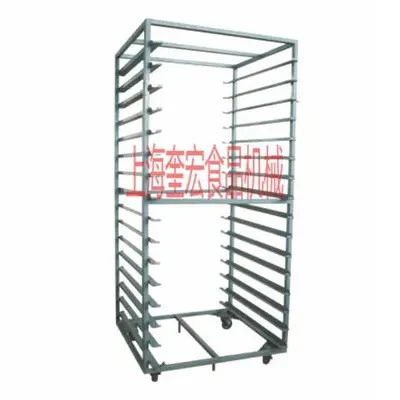

Rotary Baking Oven
A rotary baking oven is designed with a rotating chamber that ensures even heat distribution. This type of oven is ideal for baking large quantities of small to medium-sized baked goods, such as cookies, muffins, and small loaves of bread. The rotation helps to cook the items evenly on all sides, reducing the risk of uneven baking.
When using a rotary baking oven, the baking time is generally shorter compared to other types of ovens. This is because the constant rotation exposes all parts of the baked goods to the heat source, allowing them to cook more quickly. However, it's important to note that the baking time can still vary depending on the factors mentioned earlier.
Deck Baking Oven
A deck baking oven consists of one or more flat decks or shelves that are heated from below. This type of oven is commonly used for baking bread, pizza, and other large, flat baked goods. The direct heat from the deck provides a crispy crust and a well-baked interior.
Deck baking ovens typically require a longer baking time compared to rotary ovens. The heat transfer from the deck to the baked goods is slower, which allows for a more gradual cooking process. This is especially beneficial for bread, as it gives the dough enough time to rise and develop a rich flavor.
Adjusting Baking Time Based on Oven Temperature
One of the most common ways to adjust baking time is by changing the oven temperature. As a general rule, for every 25°F (14°C) increase in oven temperature, you can reduce the baking time by about 25%. Conversely, for every 25°F (14°C) decrease in temperature, you should increase the baking time by about 25%.
However, it's important to note that this is just a rough guideline. The actual adjustment may vary depending on the type of baked good and the oven used. For example, if you're baking a delicate cake, a significant increase in temperature may cause the outside to burn before the inside is fully cooked. In this case, it's better to make smaller adjustments to the temperature and closely monitor the baking process.
Adjusting Baking Time Based on the Size and Shape of the Baked Good
The size and shape of the baked good also have a significant impact on baking time. Larger and thicker items will naturally take longer to bake than smaller and thinner ones. To adjust the baking time based on size and shape, you can use the following guidelines:
- Increase the baking time for larger items: If you're baking a larger loaf of bread or a bigger cake, you'll need to increase the baking time accordingly. As a general rule, for every additional inch (2.5 cm) in diameter or thickness, you can add about 10-15 minutes to the baking time.
- Decrease the baking time for smaller items: Smaller cookies, muffins, or pastries will require less time in the oven. You can reduce the baking time by about 5-10 minutes for every inch (2.5 cm) decrease in size.
- Adjust for irregular shapes: If you're baking an item with an irregular shape, such as a shaped cake or a decorative pastry, you may need to adjust the baking time based on the thickest part of the item. You can also rotate the item halfway through the baking process to ensure even cooking.
Adjusting Baking Time Based on the Type of Baked Good
Different types of baked goods have different baking requirements. Here are some tips on how to adjust the baking time for common types of baked goods:
Bread
Bread is a staple in many bakeries, and getting the baking time right is crucial for a perfect loaf. The baking time for bread can vary depending on the type of bread, the size of the loaf, and the oven temperature.
- White bread: White bread typically takes about 25-35 minutes to bake at a temperature of 375°F (190°C). If you're using a deck baking oven, you may need to increase the baking time by a few minutes to ensure a crispy crust.
- Whole wheat bread: Whole wheat bread contains more fiber and moisture than white bread, which means it will take longer to bake. You can expect to bake whole wheat bread for about 30-40 minutes at 375°F (190°C).
- Artisan bread: Artisan bread is often made with a longer fermentation process, which results in a more complex flavor. This type of bread usually requires a higher oven temperature (around 450°F or 230°C) and a longer baking time (about 30-45 minutes).
Cakes
Cakes come in a variety of flavors and styles, and the baking time can vary depending on the recipe and the size of the cake pan.
- Sponge cake: Sponge cakes are light and airy, and they typically take about 20-25 minutes to bake at 350°F (175°C). Be careful not to overbake sponge cakes, as they can become dry and crumbly.
- Butter cake: Butter cakes are richer and denser than sponge cakes, and they usually require a slightly longer baking time. You can expect to bake a butter cake for about 25-35 minutes at 350°F (175°C).
- Cheesecake: Cheesecakes are made with a creamy filling and a crust, and they require a slow and gentle baking process. You can bake a cheesecake at a low temperature (around 325°F or 160°C) for about 45-60 minutes, depending on the size of the cake.
Cookies
Cookies are a popular treat, and they can be baked in a variety of shapes and sizes. The baking time for cookies can vary depending on the type of cookie and the thickness of the dough.
- Drop cookies: Drop cookies are made by dropping spoonfuls of dough onto a baking sheet. They usually take about 8-12 minutes to bake at 375°F (190°C).
- Rolled cookies: Rolled cookies are made by rolling out the dough and cutting it into shapes. They may require a slightly longer baking time (about 10-15 minutes) at 375°F (190°C).
- Bar cookies: Bar cookies are made by baking a layer of dough in a baking pan. They typically take about 20-30 minutes to bake at 350°F (175°C).
Tips for Adjusting Baking Time
Here are some additional tips to help you adjust the baking time effectively:
- Use an oven thermometer: Oven temperatures can vary, so it's important to use an oven thermometer to ensure that the oven is at the correct temperature. This will help you make more accurate adjustments to the baking time.
- Start with a shorter baking time: It's always better to start with a shorter baking time and then check the baked goods for doneness. You can always put them back in the oven for a few more minutes if needed.
- Rotate the baking sheet: Rotating the baking sheet halfway through the baking process can help ensure even cooking. This is especially important if your oven has hot spots.
- Check for doneness: To check if a baked good is done, you can use a toothpick or a cake tester. Insert it into the center of the item, and if it comes out clean, the item is ready. You can also look for other signs of doneness, such as a golden brown crust or a springy texture.
Conclusion
Adjusting the baking time in a bakery oven is a skill that requires practice and patience. By understanding the factors that influence baking time and following the tips outlined in this blog, you can ensure that your baked goods come out perfectly every time.
If you're in the market for a new bakery oven or need advice on adjusting the baking time for your specific needs, I'd be happy to help. As a bakery oven supplier, I have the expertise and experience to provide you with the best solutions for your bakery. Contact me today to start a conversation about your baking needs and how we can work together to achieve your goals.
References
- Professional Baking, 8th Edition by Wayne Gisslen
- The Bread Baker's Apprentice by Peter Reinhart
- Cake Bible by Rose Levy Beranbaum