

Can a fermentation box series be used for making pickles?
Aug 18, 2025
Leave a message
As a supplier of the Fermentation Box Series, I often receive inquiries from customers about the versatility of our products. One question that frequently arises is whether our fermentation box series can be used for making pickles. In this blog post, I'll explore this topic in depth, providing scientific insights and practical considerations.
The Science Behind Fermentation in Pickle - Making
Pickle - making is a time - honored preservation method that relies on fermentation. The primary process in pickle - making is lactic acid fermentation, where lactic acid bacteria (LAB) convert sugars present in vegetables into lactic acid. This acidification not only gives pickles their characteristic tangy flavor but also creates an environment that inhibits the growth of spoilage organisms.
LAB thrive in anaerobic (low - oxygen) conditions and within a specific temperature range. Generally, the optimal temperature for LAB growth during pickle fermentation is between 18°C and 24°C (64°F - 75°F). At these temperatures, the bacteria can multiply at a steady pace, producing lactic acid at a rate that results in a well - fermented pickle.

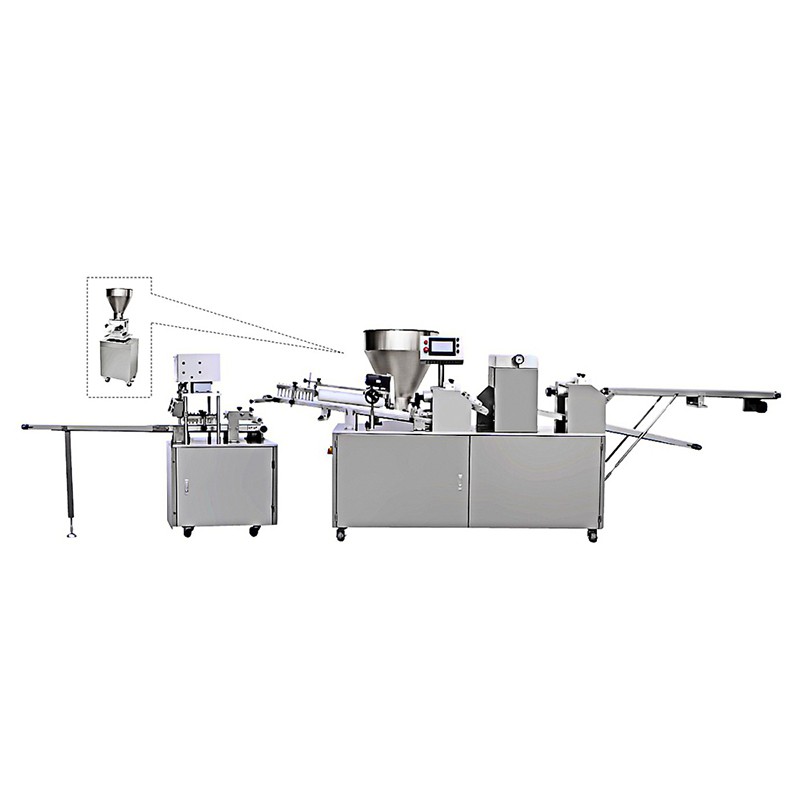
Features of the Fermentation Box Series
Our Fermentation Box Series is designed with several features that make it potentially suitable for pickle - making.
Temperature Control
One of the key features of our fermentation boxes is precise temperature control. The ability to set and maintain a specific temperature within a narrow range is crucial for successful pickle fermentation. By keeping the temperature within the optimal range for LAB growth, we can ensure a consistent and high - quality fermentation process. For example, if the temperature is too high, the fermentation may occur too rapidly, leading to an overly acidic pickle with a soft texture. On the other hand, if the temperature is too low, the fermentation process may be sluggish, increasing the risk of spoilage.
Humidity Regulation
Humidity also plays an important role in pickle fermentation. Our fermentation boxes are equipped with humidity regulation systems. Maintaining the right humidity level helps prevent the vegetables from drying out during fermentation. In a dry environment, the outer layers of the vegetables may become desiccated, which can affect the overall quality of the pickles and may even introduce oxygen, disrupting the anaerobic conditions required for LAB growth.
Anaerobic Environment
The fermentation boxes are designed to create a near - anaerobic environment. This is achieved through airtight seals and proper ventilation systems that can be adjusted to limit the influx of oxygen. Since LAB are anaerobic bacteria, an oxygen - free or low - oxygen environment is essential for their growth and the successful fermentation of pickles.
Practical Considerations for Using Fermentation Boxes in Pickle - Making
Size and Capacity
When using our fermentation box series for pickle - making, the size and capacity of the box need to be considered. If you plan to make large batches of pickles, you'll need a fermentation box with sufficient volume. Our product line offers a range of sizes to meet different production needs, from small - scale home use to large - scale commercial production.
Cleaning and Sanitization
Proper cleaning and sanitization of the fermentation box are essential before each use. Pickles are a food product, and any contamination in the fermentation environment can lead to spoilage or the growth of harmful bacteria. Our fermentation boxes are made of materials that are easy to clean and sanitize, such as stainless steel, which is resistant to corrosion and can withstand the use of common sanitizing agents.
Compatibility with Pickling Ingredients
It's important to ensure that the materials inside the fermentation box are compatible with the pickling ingredients. For example, some pickling solutions may be acidic, and the materials in the box should be able to withstand the acidic environment without leaching any harmful substances into the pickles. Our fermentation boxes are designed with food - grade materials that are safe for use with a variety of pickling ingredients.
Comparing with Traditional Pickle - Making Methods
Traditional Methods
Traditional pickle - making methods often rely on ambient conditions, such as storing the pickles in a cellar or a cool, dark place. While this method has been used for centuries, it has some limitations. Ambient temperatures can fluctuate, which may lead to inconsistent fermentation results. Additionally, it can be difficult to control humidity and oxygen levels in a traditional setting, increasing the risk of spoilage.
Using Fermentation Boxes
In contrast, using our fermentation box series offers several advantages. The precise temperature and humidity control ensure a more consistent and reliable fermentation process. The ability to create an anaerobic environment reduces the risk of spoilage and improves the overall quality of the pickles. Moreover, the fermentation process can be accelerated or slowed down as needed, allowing for greater flexibility in production.
Other Applications of the Fermentation Box Series
Our fermentation box series is not only suitable for pickle - making but also has a wide range of other applications. For example, it can be used in bread - making. The Automatic Bread Making Machine often works in conjunction with the fermentation box. The fermentation box provides the ideal conditions for the dough to rise, ensuring a fluffy and well - textured bread. It can also be used in the production of other fermented foods, such as yogurt, cheese, and fermented meats.
Conclusion
In conclusion, our fermentation box series can indeed be used for making pickles. The scientific principles behind pickle fermentation, combined with the features of our fermentation boxes, make them a suitable choice for both home and commercial pickle producers. The precise temperature control, humidity regulation, and anaerobic environment provided by our boxes can help ensure a consistent and high - quality fermentation process.
If you're interested in using our fermentation box series for pickle - making or other fermentation applications, we'd love to hear from you. Whether you're a small - scale home cook or a large - scale commercial producer, our products can meet your needs. Contact us to discuss your specific requirements and start a successful fermentation journey.
References
- "The Art of Fermentation" by Sandor Ellix Katz
- "Fermented Vegetables: Creative Recipes for Fermenting 64 Vegetables and Herbs" by Kristen Kish
- Scientific papers on lactic acid fermentation in food science journals