

Can a bread production line be automated?
Jul 14, 2025
Leave a message
In the modern era of industrial advancement, automation has become a cornerstone of efficiency and productivity across various sectors. The food industry, in particular, has witnessed significant transformations with the integration of automated systems. As a supplier of bread production lines, I often encounter the question: Can a bread production line be automated? The answer is a resounding yes, and in this blog, I will delve into the details of how automation can revolutionize the bread - making process.
The Traditional Bread - Making Process
Before we explore automation, it's essential to understand the traditional bread - making process. It typically involves several stages: mixing, kneading, proofing, shaping, baking, and cooling. Each step requires a certain level of skill and time.
Mixing is the first step where flour, water, yeast, salt, and other ingredients are combined. Kneading follows, which develops the gluten in the flour, giving the bread its structure. Proofing is a crucial stage where the dough rises, allowing the yeast to ferment and produce carbon dioxide. Shaping the dough into the desired form is then carried out, followed by baking in an oven. Finally, the baked bread needs to cool down before it can be packaged.
Automation in the Mixing and Kneading Stages
Automation can be effectively introduced in the mixing and kneading stages. Automated mixing machines can precisely measure and combine the ingredients in the right proportions. These machines are equipped with sensors and control systems that ensure consistent mixing. They can adjust the mixing speed and duration based on the type of bread being produced.
Kneading can also be automated. Modern automated kneading systems mimic the hand - kneading process but with greater precision and consistency. These machines can knead the dough for the optimal time, ensuring proper gluten development. This not only saves labor but also improves the quality of the bread, as the kneading process is more uniform. For example, our Automatic Bread Making Machine is designed to handle the mixing and kneading stages efficiently, providing a high - quality dough base for the subsequent steps.
Proofing with Automation
Proofing is a critical stage in bread making, and automation can play a significant role here. Automated Fermentation Box Series are available that can control the temperature, humidity, and time of the proofing process. These boxes are equipped with advanced sensors and controllers that maintain the ideal environment for yeast fermentation. This ensures that the dough rises evenly and consistently, resulting in better - textured bread.
The automation of proofing also reduces the risk of human error. In a traditional setting, it can be challenging to maintain the exact temperature and humidity required for optimal proofing. With automated fermentation boxes, the conditions are precisely controlled, leading to more reliable and high - quality results.
Shaping and Forming Automation
Shaping the dough into various forms is another area where automation can be implemented. Automated dough shapers can take the proofed dough and transform it into loaves, rolls, or other desired shapes. These machines use a combination of mechanical and pneumatic systems to handle the dough gently and accurately.
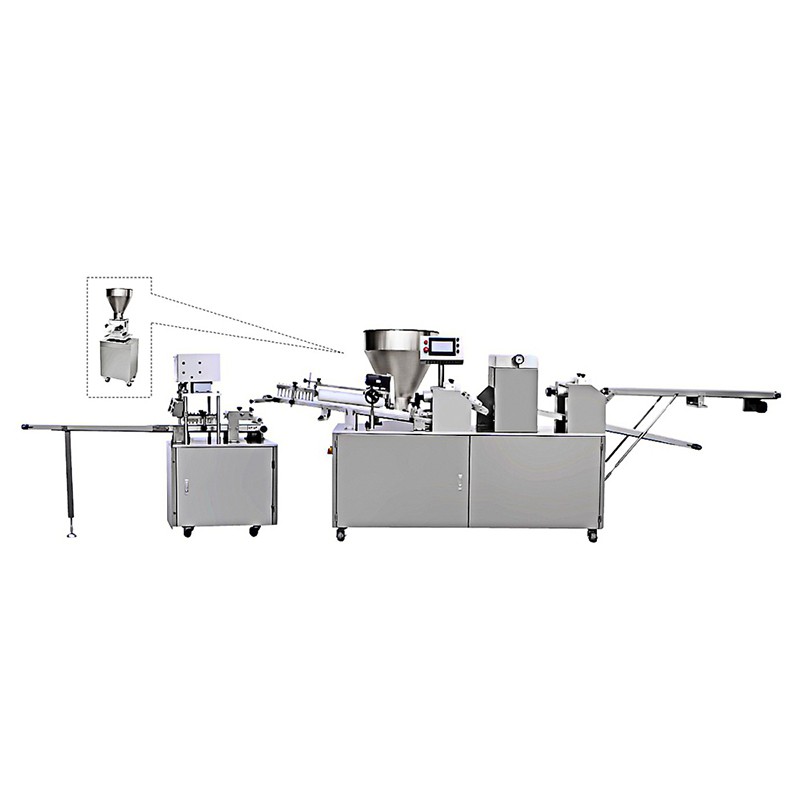

They can produce a large number of uniformly shaped bread products in a short period. This is particularly beneficial for large - scale bread production, where consistency in shape and size is essential for packaging and customer appeal. Automation in shaping also reduces the physical strain on workers, as they no longer have to manually shape each piece of dough.
Baking and Cooling Automation
Automated baking ovens are designed to provide consistent heat distribution, ensuring that the bread is baked evenly. These ovens can be programmed to adjust the temperature and baking time according to the type of bread being produced. They also have features such as steam injection, which is crucial for certain types of bread, like French baguettes, to create a crispy crust.
After baking, the cooling process can also be automated. Conveyor systems can transport the baked bread through a cooling tunnel, where the temperature is gradually reduced. This helps to prevent condensation on the bread and ensures that it cools evenly. Automated cooling systems are faster and more efficient than traditional methods, allowing for quicker turnaround times in the production process.
Benefits of an Automated Bread Production Line
There are numerous benefits to automating a bread production line. Firstly, it significantly increases productivity. Automated systems can work continuously without breaks, producing a larger volume of bread in a shorter time compared to manual labor. This is especially important for meeting the high demand in the market.
Secondly, automation improves the quality of the bread. With precise control over each stage of the production process, the bread is more consistent in terms of texture, flavor, and appearance. This consistency is highly valued by consumers and can enhance the brand image of the bread products.
Cost - savings are also a major advantage. While the initial investment in an automated bread production line may be significant, in the long run, it reduces labor costs. There is less need for a large workforce, and the risk of human error is minimized, which can lead to fewer product losses. Additionally, automated systems are more energy - efficient, further reducing operational costs.
Challenges and Considerations
Despite the many benefits, there are also some challenges associated with automating a bread production line. One of the main challenges is the initial cost of investment. Purchasing and installing automated equipment can be expensive, especially for small - and medium - sized bakeries. However, it's important to consider the long - term cost savings and productivity gains that automation can bring.
Another challenge is the need for skilled technicians to operate and maintain the automated systems. Regular maintenance is essential to ensure the smooth operation of the equipment. Bakeries need to invest in training their staff or hire qualified technicians to handle the automated production line.
Conclusion
In conclusion, a bread production line can indeed be automated, and the benefits far outweigh the challenges. As a supplier of bread production lines, I have witnessed firsthand the positive impact of automation on the bread - making industry. From the mixing and kneading stages to baking and cooling, every aspect of the bread production process can be automated to improve efficiency, quality, and productivity.
If you are considering automating your bread production line or are looking to upgrade your existing equipment, I encourage you to reach out for a consultation. Our team of experts can help you design a customized automated bread production line that meets your specific needs and production goals. Let's work together to take your bread production to the next level.
References
- "Automation in the Food Industry: Trends and Applications" - Journal of Food Science and Technology
- "The Science of Bread Making" - Food Science and Technology Research Institute